





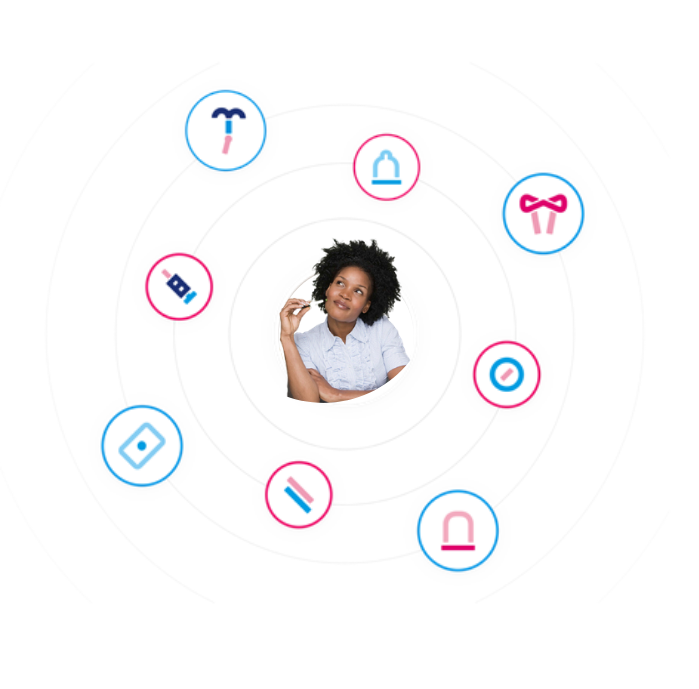
When it comes to choosing your contraception, there’s no one-size-fits-all method. The type of contraception that works best for you will depend on a number of things, like your medical history, needs and circumstances.
Contraception is very important for helping you to enjoy a safe and healthy sex life. All methods can help you to avoid pregnancy and plan your family, and some methods can also protect you from sexually transmitted infections (STIs).
Contraceptive methods fall into five categories:
- Short-term methods
- Long-term methods
- Barrier methods
- Permanent methods
- Emergency contraception
Each type of contraceptive works in a different way, so before choosing your method you should think carefully about whether it suits your needs.
Types of contraceptive
When we talk about the different types of contraceptive methods, we often categorise them as short-term, long-term, barrier, permanent, and emergency. Each method works in a different way – some are hormonal while others are non-hormonal.
Some will also be more effective than others at protecting against pregnancy – this is called ‘efficacy’. You may also experience some side-effects when using certain types of contraception.
We’ve got a short video explaining questions to ask when choosing a method.
If you need help choosing your family planning method, our Choice Counsellor here can help you find the best fit for you, or you can contact us to arrange a consultation Consultation.
Short-term contraceptive methods
Short-term methods (also called short-acting methods) refer to contraception that you need to remember to use or take regularly, such as taking the pill daily or changing the patch weekly. All short-term methods contain hormones, but some contain two hormones: these are called combined hormonal contraception (CHC).
Short-term contraception includes:
- Combined pill
- Progestogen-only pill (POP)
- Transdermal patch
- Vaginal ring
Short term contraception often offers flexibility, but these methods are typically less effective than long-term contraception, so it’s important to take this into consideration when making your choice.
Long-term contraceptive methods
Long term methods – also called long-acting reversible contraception (LARC) – are considered the gold standard of the contraception world.
These methods offer excellent protection against pregnancy, ranging from three months up to ten years – so they’re ideal if you know that you don’t want to have children for a while. Once fitted in place, you don’t need to think about these methods until they need replacing, and none of them interrupt sex.
They are also reversible so, if you want to, you can plan a future pregnancy at a time that’s right for you.
Long-term contraception includes:
- Implant
- Hormonal loop (also called the coil and IUD)
- Non-hormonal loop
- Injection
Barrier methods
Barrier methods are a form of contraception that work by stopping the sperm from travelling through the vagina to the womb during sex, preventing the sperm and egg from meeting. These include:
- Condom (female and male)
- Diaphragm
- Cap
As well as helping you to avoid pregnancy, condoms (female and male) are the only contraceptive method that protects against STIs.
Permanent methods
Permanent methods of contraception are surgical procedures that are non-reversible, making them suitable for people who are sure they don’t want children or don’t want any more children. Permanent methods include:
- Tubal ligation
- Vasectomy
Tubal ligation is a short medical procedure for women which offers highly effective protection against pregnancy. After the procedure, an egg cannot move from the ovary through the tubes and to the womb. It has no effect on your hormones or sex life. A vasectomy is a quick procedure for men, and is one of the most effective methods of contraception that exists. A vasectomy involves closing the tubes that carry sperm from the man’s testicles, which means there is no sperm to fertilise the woman’s egg during sex.
Emergency contraception
If you’ve had unprotected sex or your contraception has failed (e.g. you’ve missed taking a contraceptive pill or the condom has split), emergency contraception can be used to prevent a pregnancy.
Emergency contraception includes:
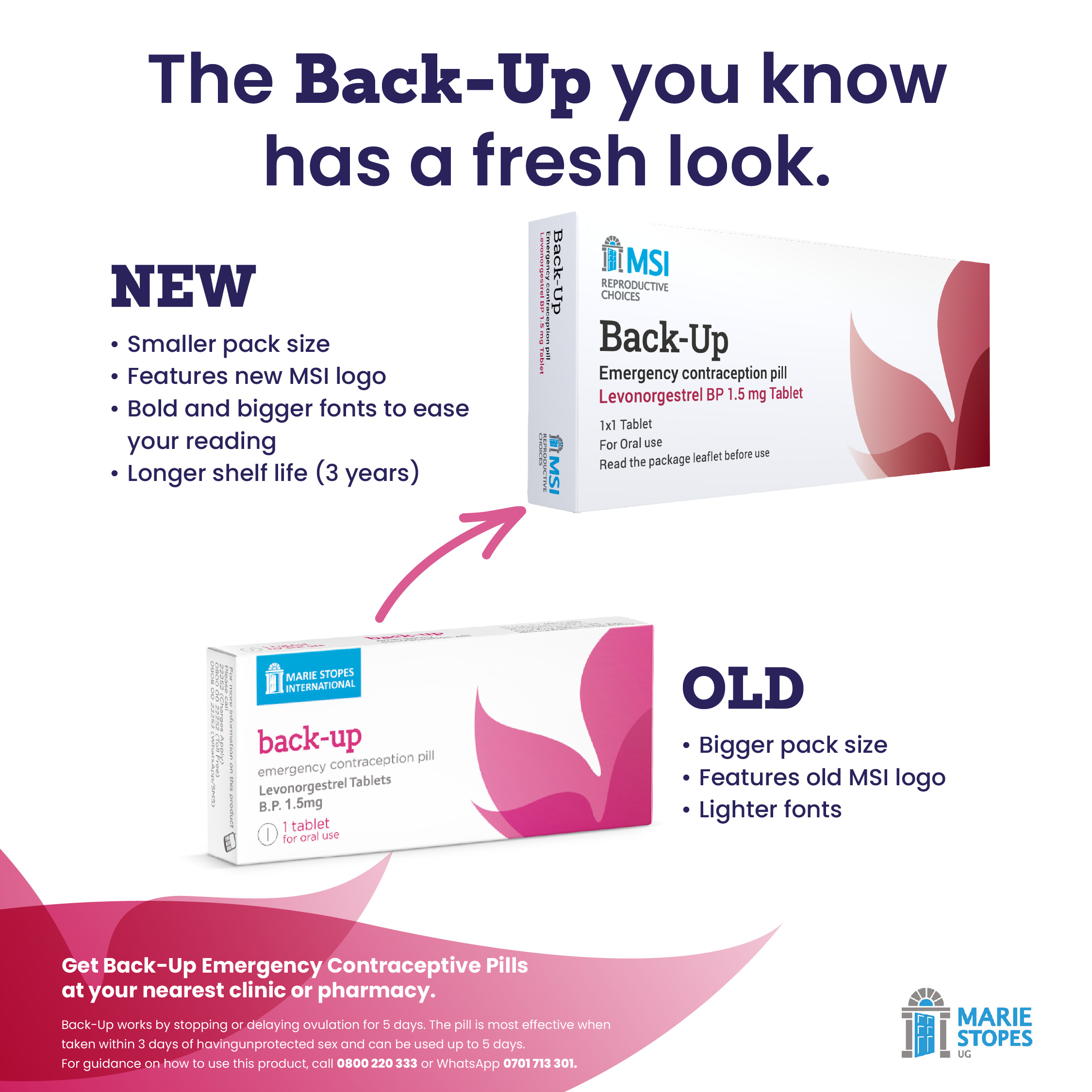
- Emergency contraceptive pill
- Non-hormonal loop (also called the coil and IUD)
The non-hormonal loop is a small, T-shaped plastic and copper device that can be fitted up to 120 hours or 5 days after unprotected sex. It’s the most effective form of emergency contraception, and once fitted, you can choose to continue using it as your on-going method of contraception.
There are different types of emergency contraceptive pills and depending on which type you’re using, they can be taken within 3-5 days of unprotected sex – although the sooner you take it, the more effective it will be.
If you need emergency contraception, it’s important you speak to a healthcare professional first so they can give you the method that will be the most effective for you.
Side effects of contraceptives
Contraception can affect people’s bodies in different ways.
Some contraceptive methods can change your periods, but this does not cause any harm. For example, if you’re using a hormonal method, this can often make your periods lighter or stop them altogether.
Whereas if you’re using a non-hormonal loop (i.e. a copper coil / IUD), it’s normal for you to continue having periods as usual and sometimes they can become heavier and/or longer.
It’s a common belief that contraceptive methods cause weight gain, but actually there is no strong evidence to suggest this. If you do experience some weight gain, this could often be the result of temporary water retention.
There are many potential benefits to using contraception, aside from avoiding unwanted pregnancy. It can also help with heavy menstrual bleeding, support with menopause symptoms, and improve your skin.
In most cases, side effects tend to settle down after the first three to six months. However, if you’re concerned contact us and we’ll help you find another method of contraception that works better for you contact.
Changing your contraceptive method
You can remove your contraceptive method early and try something different, if you find that the one you’re using doesn’t suit you. If you’re looking to do this, please speak to us first so we can help you stop or change contraceptive methods safely.
This is because stopping or changing methods can affect your protection against pregnancy, so you may need to use additional contraception for a time, such as condoms. Also with some methods, like the injection, any side effects can continue for as long as the injection lasts (13 weeks).
Getting pregnant after stopping contraception
Choosing to use contraception to prevent pregnancy now will not negatively affect your ability to get pregnant later, and your fertility should return once you stop using contraceptive methods.
However, using hormonal contraception can sometimes lead to a delay in the return of your natural menstrual cycle. For example, your periods could be delayed for up to 18 months after stopping the injection. If you’re having difficulty getting pregnant after stopping contraception it may not have anything to do with the method you were using. You can arrange a consultation with us to learn more about your fertility and get support with trying for a baby Consultation