







Strengthening the Public-sector
Our Intervention is in 989 Sites

The What + The Challenge
Strengthening the Public Sector
Public sector health facilities remain the backbone of Uganda’s healthcare system, providing essential services to millions of people, particularly in rural and underserved communities. However, many facilities continue to face systemic challenges that limit their ability to deliver consistent, high-quality sexual and reproductive health services.
Strengthening public sector
Expanding access to high-quality services through the public sector, in partnership with the Ministry of Health.
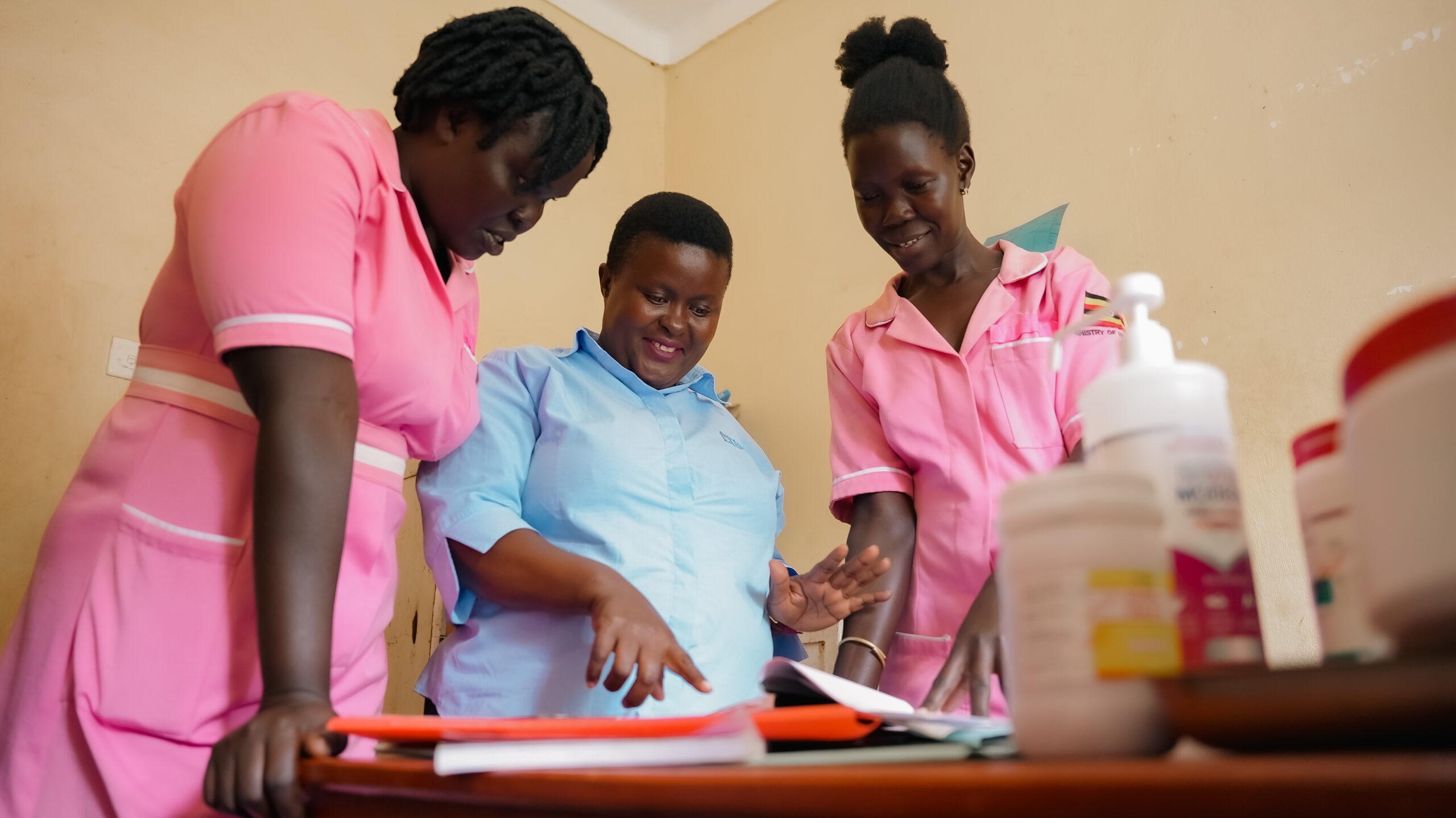
Through its partnership with the Ministry of Health, Marie Stopes works across 94 districts in Uganda, supporting over 880 public health facilities and more than 1,800 health workers through mentorship in clinical quality, stock management, and data quality.
These gaps directly affect service quality, continuity of care and the overall trust communities place in public health services.
Key challenges include
- Gaps in clinical capacity and adherence to updated service guidelines.
- Inconsistent availability and management of essential commodities and supplies .
- Weak data quality, reporting and use for decision-making .
- Variations in service quality across facilities .
- Limited exposure to updated practices such as Post-Abortion Care (PAC) standards.
- Overstretched health workers affecting service efficiency and client experience
Our Intervention in 840 sites
We work in close partnership with the Ministry of Health to strengthen public sector health systems and improve the quality, efficiency and reliability of service delivery.
Our approach focuses on system strengthening through mentorship, capacity building and continuous quality improvement, ensuring that improvements are embedded within existing government structures for long-term sustainability.
Clinical Quality Mentorship.
We provide hands-on mentorship to health workers in public facilities to improve adherence to national clinical standards, strengthen service delivery quality and enhance client-centered care particularly in family planning, reproductive health and post-abortion care services.

Strengthening Post-Abortion Care (PAC) Services.
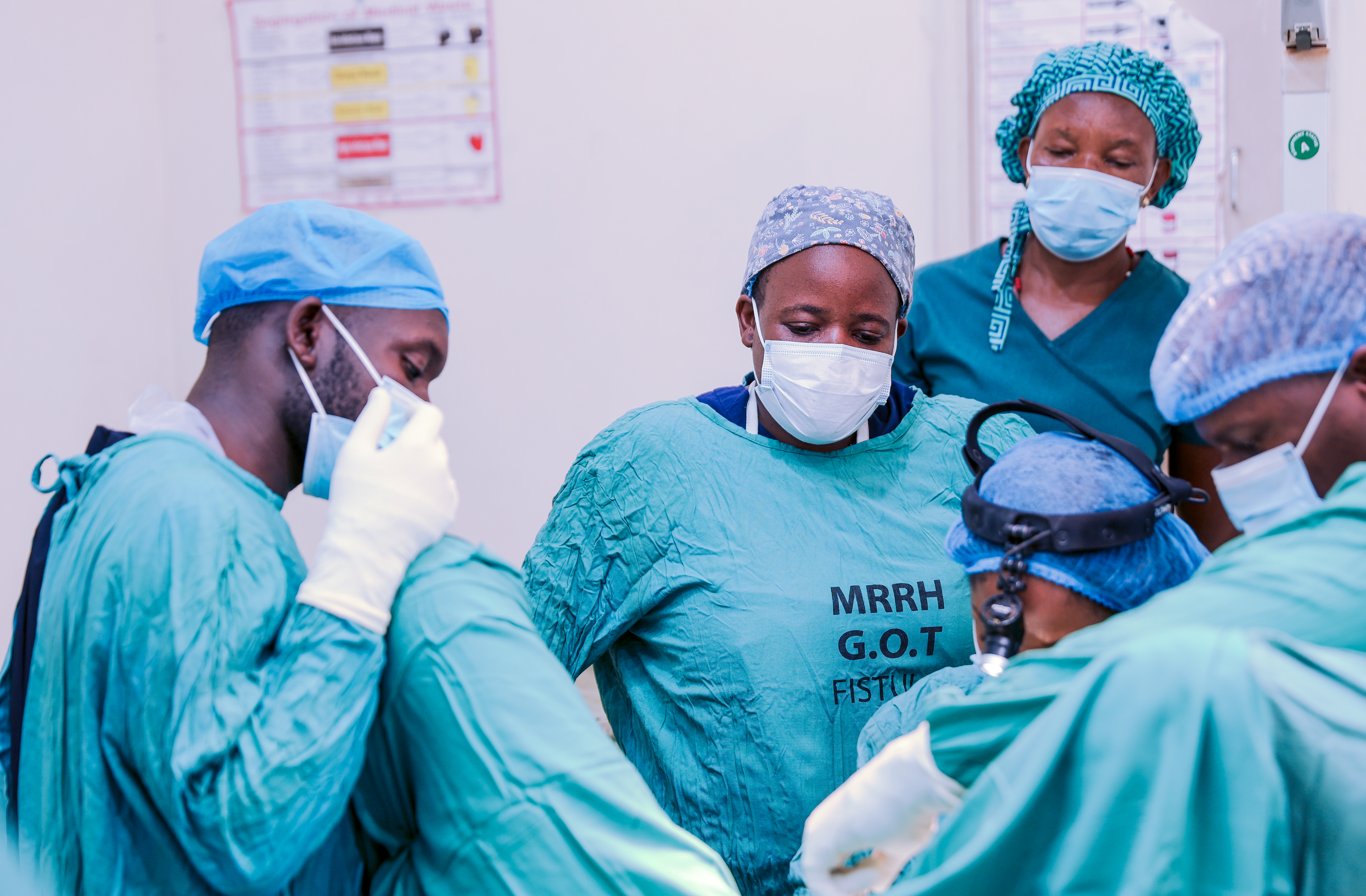
We support the rollout and institutionalization of updated PAC guidelines through structured training of health workers. This ensures health care providers are equipped with current knowledge, safe practices and standardized protocols for quality post abortion care services.
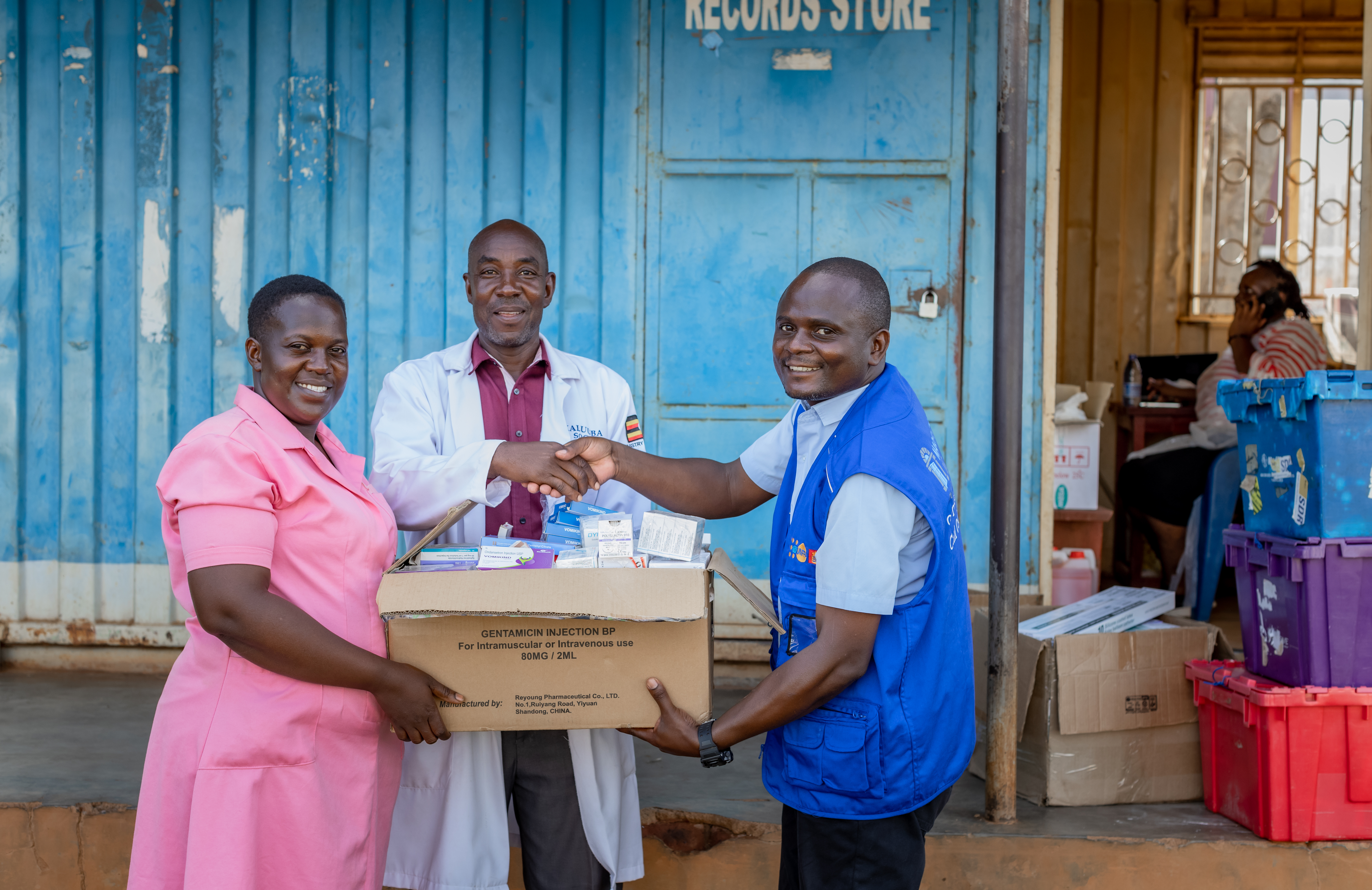
Supply Chain and Stock Management Support.
We strengthen facility-level systems for forecasting, ordering, tracking and managing reproductive health commodities. This improves commodity availability, reduces stock-outs and enhances continuity of services.
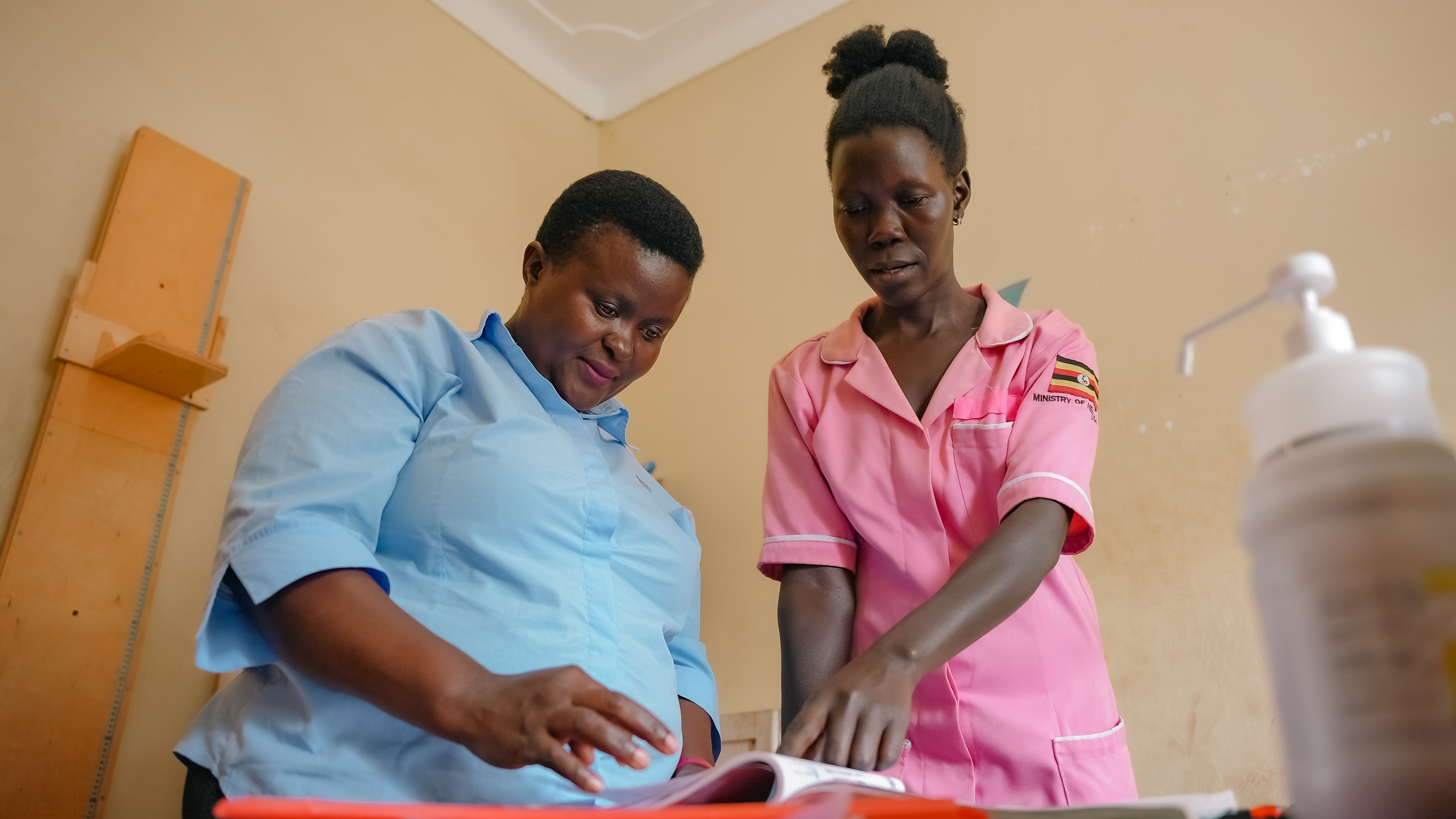
Data Quality and Use for Decision-Making.
We build the capacity of health workers in accurate data collection, reporting and use of service delivery data to improve planning, accountability and performance tracking at facility and district levels.
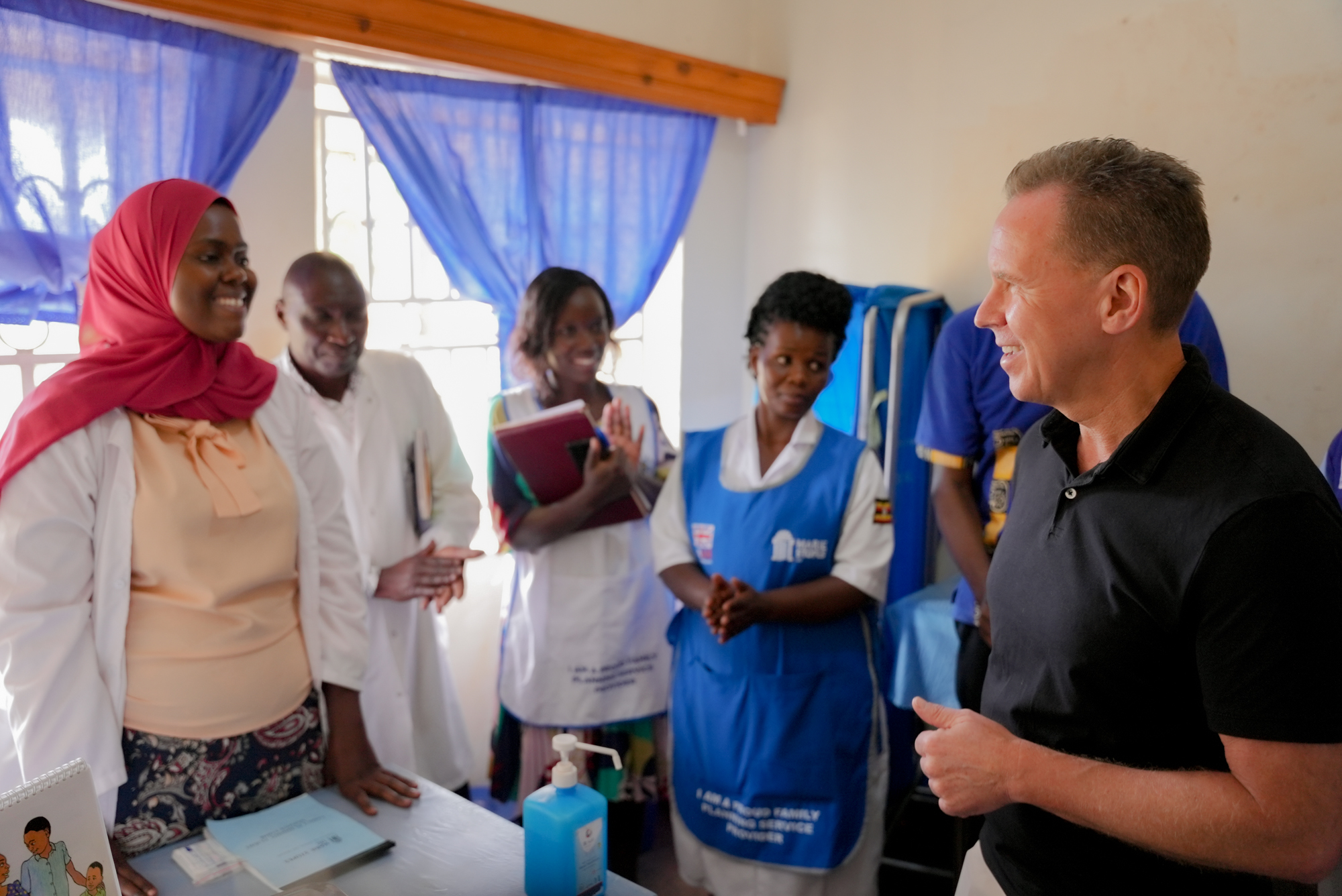
Supportive Supervision and Continuous Improvement.
We conduct supportive supervision visits in collaboration with health authorities to identify gaps, provide feedback and strengthen performance improvement processes within facilities.
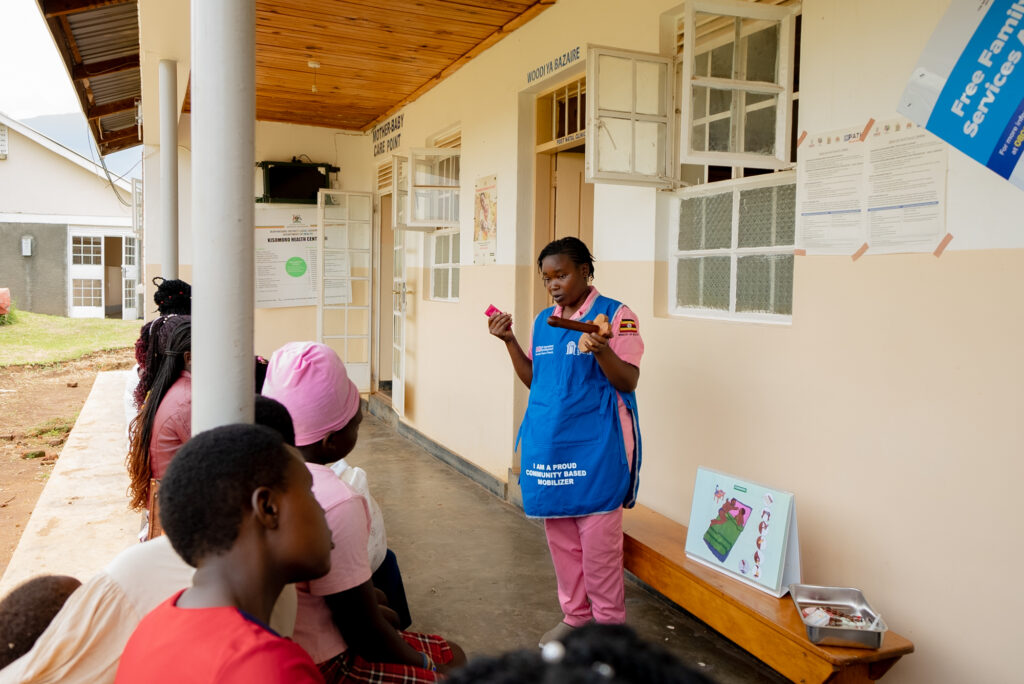
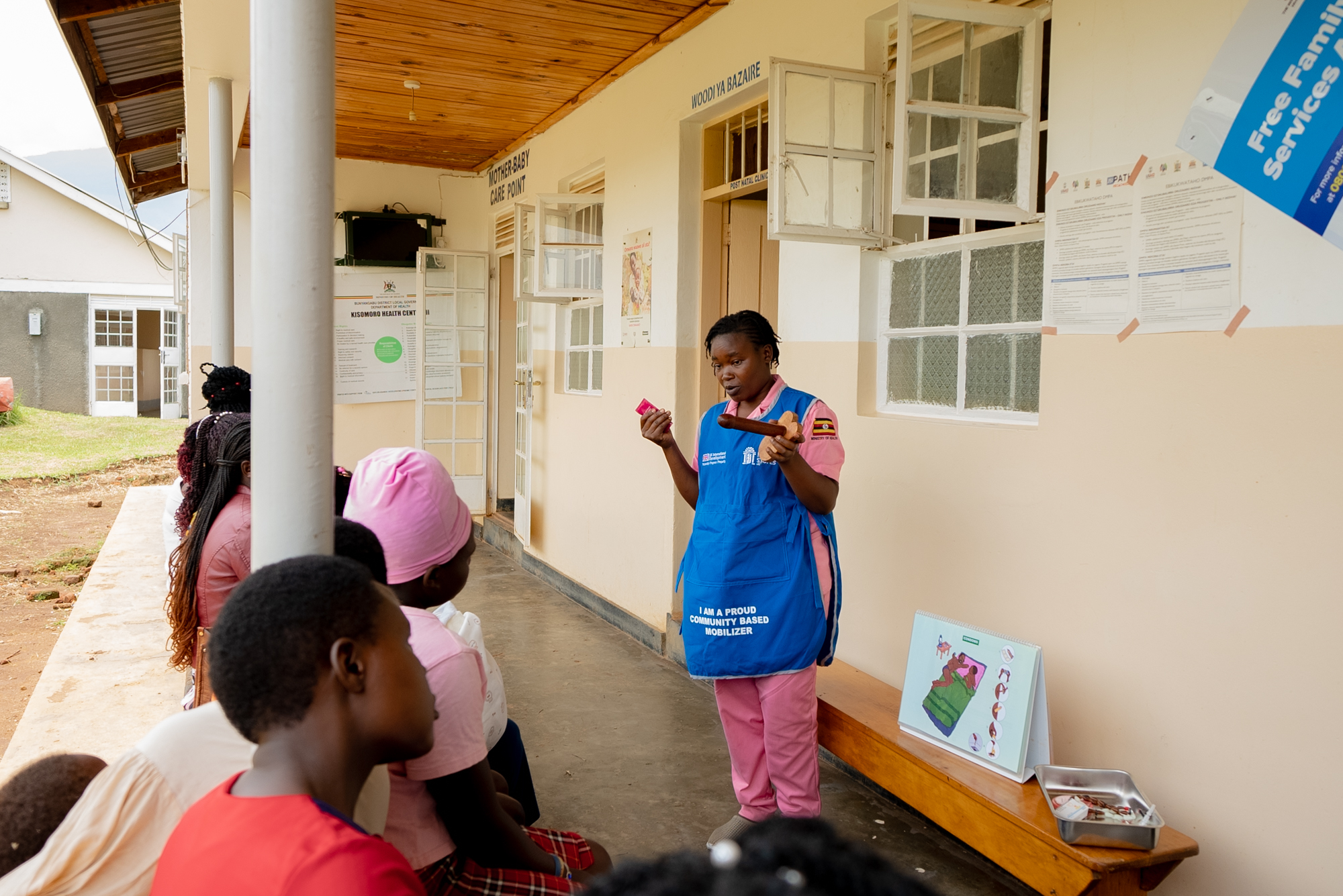
Social and Behaviour Change Communication (SBCC)
The What + The Challenge