







Empeereza ya laabu
Precision diagnostics for better care.

Laboratory tests are important diagnostic investigations that help you better understand the cause of a condition and guide how it is monitored and treated, supporting you in receiving the right care.
Lab tests can also help you assess if treatments are working or failing, and help you monitor any side effects.
Lab tests can be done on various specimens including stool, urine, blood, and other body tissues or fluids.
Teeka essaawa y’okusisinkana
Bw’oba weetegese okutukyalira, ssaako essaawa okukendeeza ku budde bw’okulinda mu ddwaaliro.
Bw’omala okujjuza foomu, mmemba wa ttiimu ajja kukwatagana okukakasa nti olina okulondebwa.
Frequently asked questions about Lab services
Many illnesses can be investigated through lab tests, and what happens during this service will depend on what lab test is being done.
Common tests include:
Blood test:
This involves taking a blood sample from your vein. The nurse will put a tourniquet on the arm, clean the site with antiseptic and using sterile blood collection kits, blood will be withdrawn and processed for various tests. Blood tests can be used to check blood count, blood chemistry and liver function.
Urine test:
You will be asked to collect your urine in a container. Urine tests can be used to check things like protein, sugar, certain types of bacteria, and pregnancy.
Stool test:
You will be asked to collect your stool sample in a container. Stool samples can be used to identify intestinal parasites or other micro-organisms.
Culture test:
Blood, urine and stool specimens can be cultured to identify micro-organisms, and help determine more effective treatments.
Once your lab test has been completed, you’ll be seen by a doctor who will give you your results and advise you on treatment.

Funa eddwaaliro erikuli okumpi
Don’t delay coming in to see us for a lab test. Find a clinic near you and book your appointment today.
Soma ebiwandiiko byaffe ebisembyeyo eby'obuyambi & amagezi

Saturday 29 August 2026
Okukebera kookolo w’omumwa gwa nnabaana kye ki?
Okukebera omumwa gwa nnabaana y’engeri y’okukebera obulamu bw’omumwa gwa nnabaana – omulyango oguyingira mu lubuto lwo (mu nnabaana), ogusangibwa waggulu ku bukyala bwo. Lwaki omumwa gwa nnabaana ...
SOMAKO EBIRALA
Sunday 30 August 2026
Amazzi agafuluma mu bukyala gange ga bulijjo?
Healthy vaginal discharge is not only completely normal, it’s necessary. However, sometimes vaginal discharge can change for a variety of reasons, and this can point to an underlying health condition. It’s important to be able …
SOMAKO EBIRALA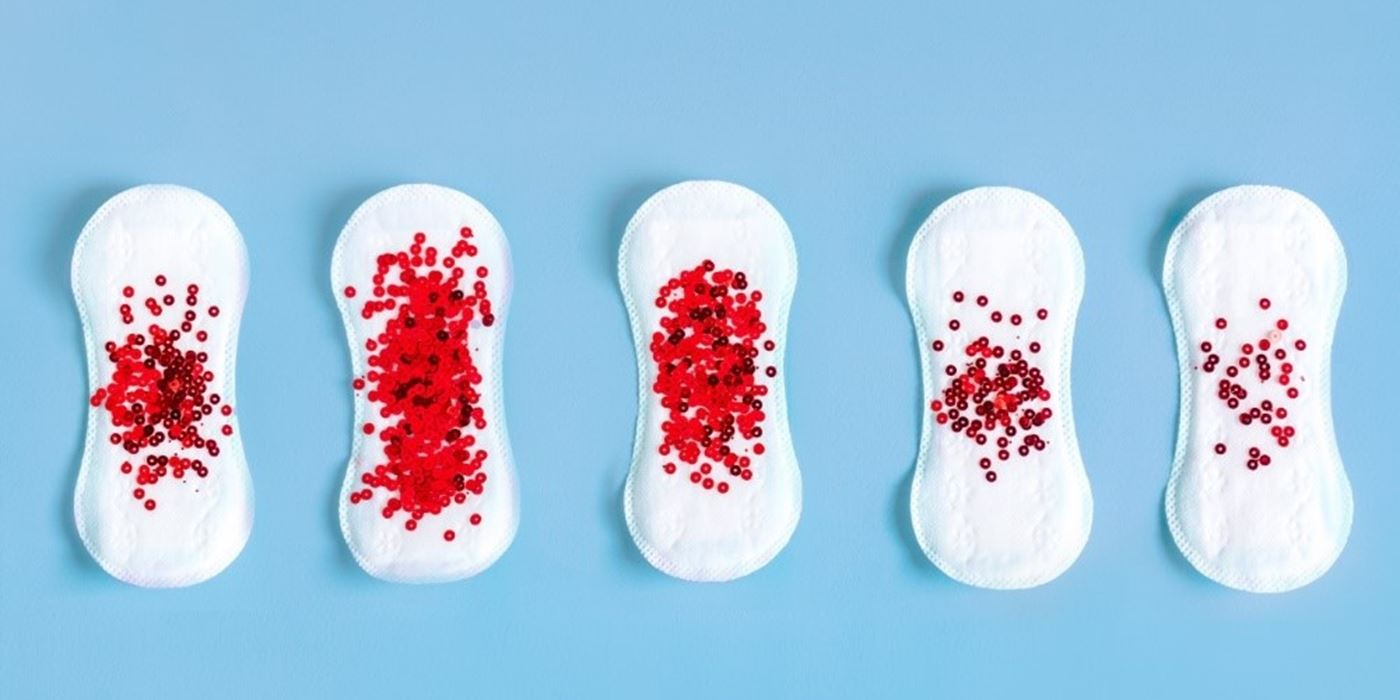
Lwakuna nga 17 December 2020
By’olina okumanya ku nsonga z’ekikyala
Tufunye akatambi akampi nga kannyonnyola ensonga z’okugenda mu nsonga, by’oyinza okuyita okugenda mu nsonga oba obudde bw’omwezi.
SOMAKO EBIRALA